Salmon
salmon
Characteristics of salmon
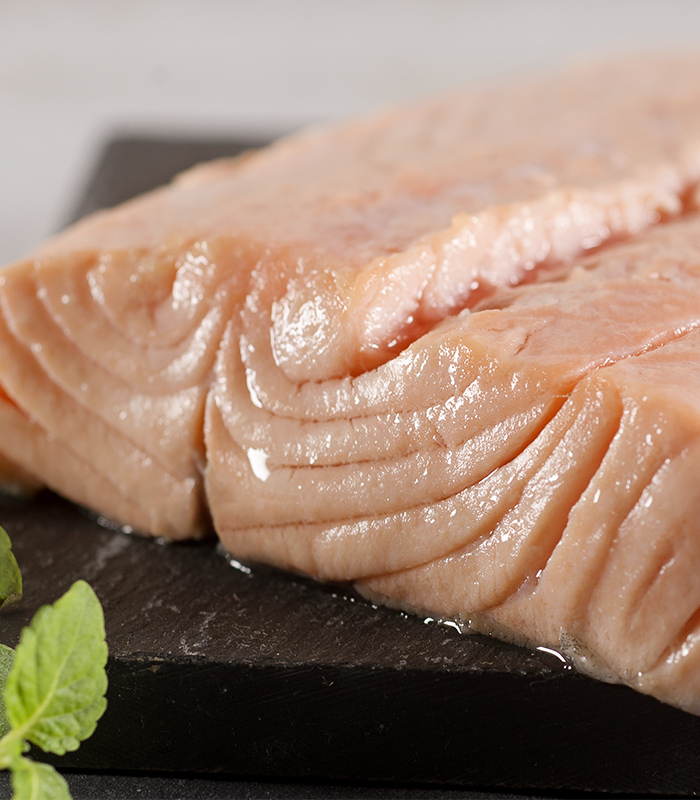
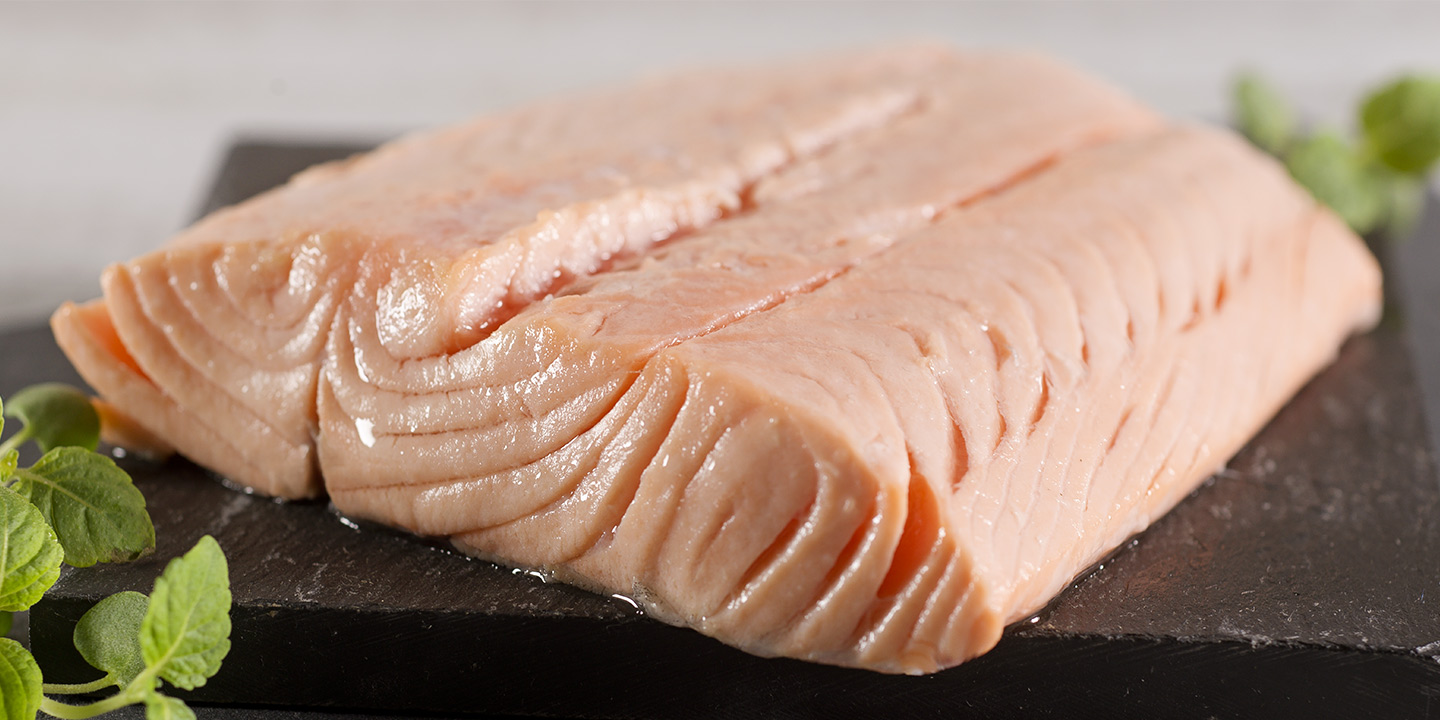
Salmon is a fish that lives in both fresh and sea water and can reach weights of over 39 kg and lengths of 1.5 m. In nature, there are several species of salmon and, commercially speaking, one of the most common is the Salmo Salar, which is widespread in the Atlantic Ocean through to the shores of the Baltic Sea.
Salmon is renowned for its properties, which make it a key ally for healthy diet. It is also widely used in cookery: its classic pink colour, softness and delicate flavour are well-suited to a whole host of dishes.
Nutritional properties of Rio Mare Salmon
Rio Mare Salmon is high-quality fish with renowned nutritional value. It is a source of protein with high biological value, which supports the growth and maintenance of muscle mass. It is also rich in the Omega-3 fatty acids essential for our bodily health (fish is the main source of these).
Rio Mare Salmon provides vitamins and minerals, including vitamin B12, phosphorus and selenium. Thanks to all these qualities, it is perfect for varied and balanced diets, like the Mediterranean diet.
Why eat salmon
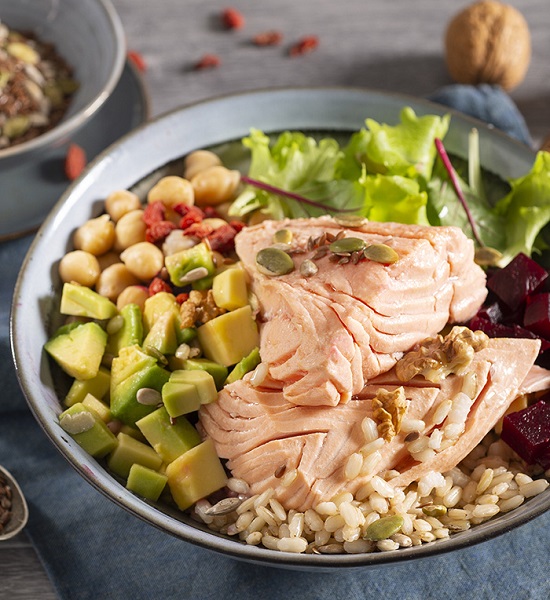
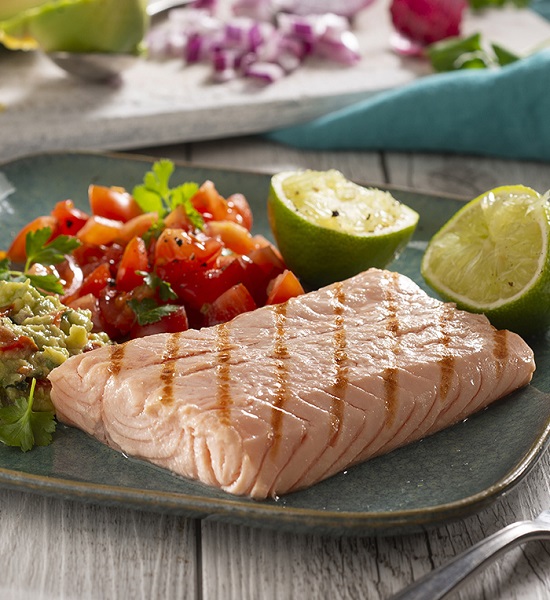
Thanks to its delicate flavour, salmon is a very versatile ingredient in cookery and is well-suited to various ricette and and cooking methods. It also provides a good amount of protein, making it excellent for athletes constantly in search of it. In addition, the Omega-3 fatty acids in it support normal heart function.
Rio Mare salmon
Products
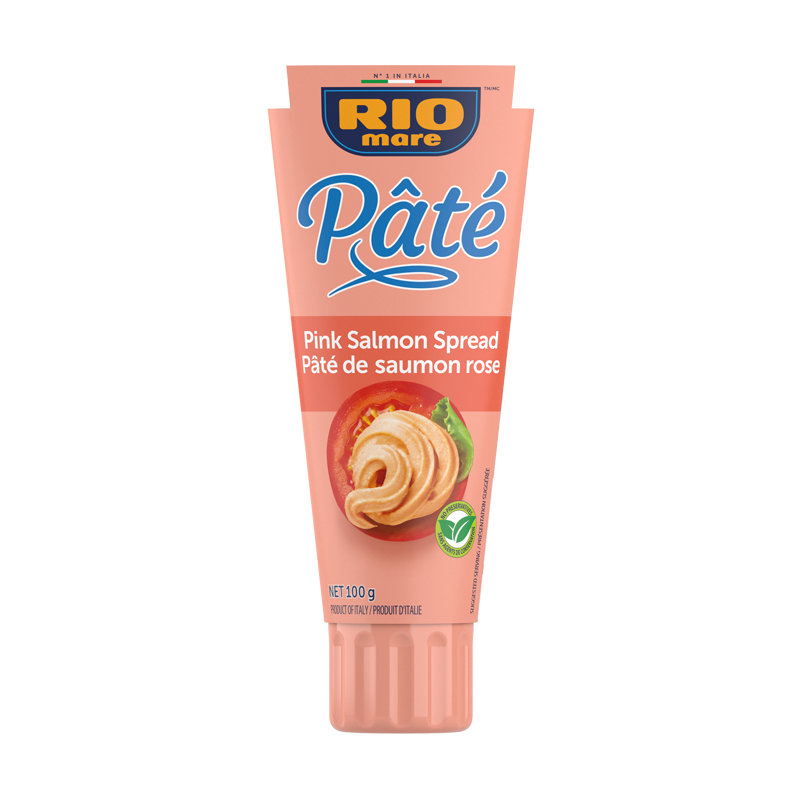
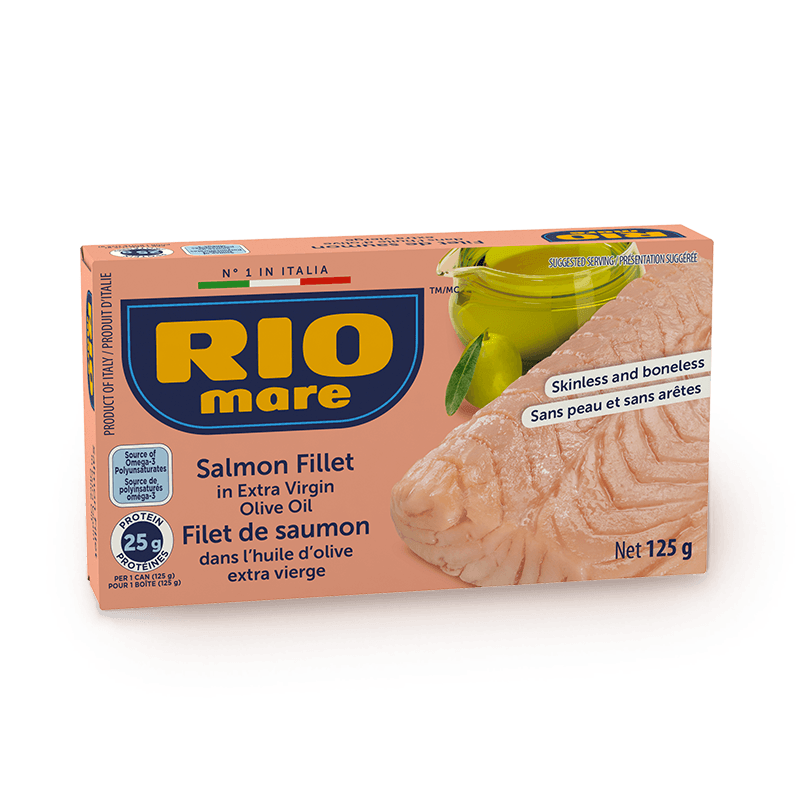
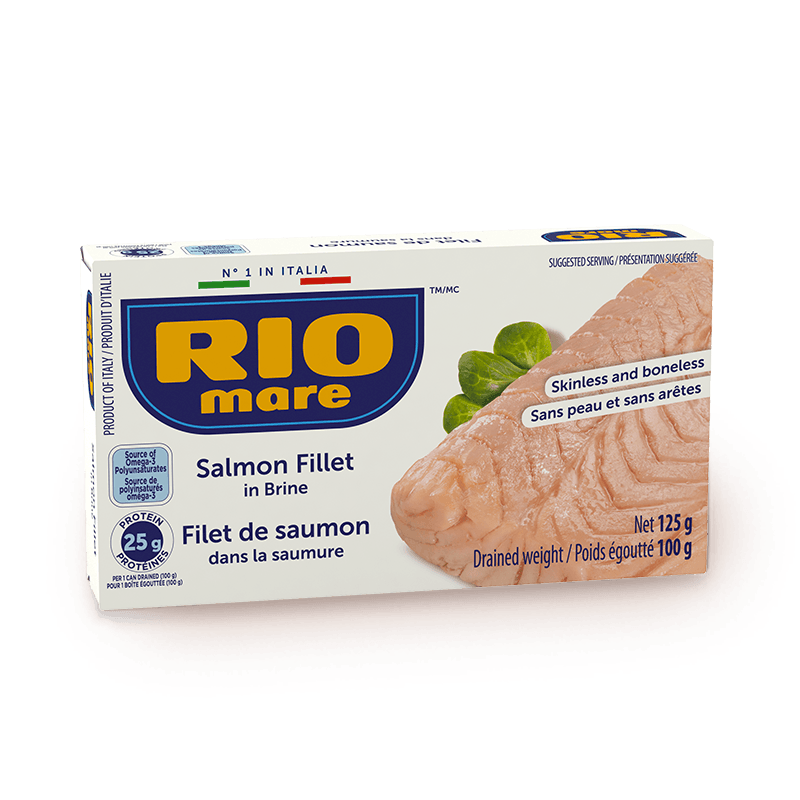

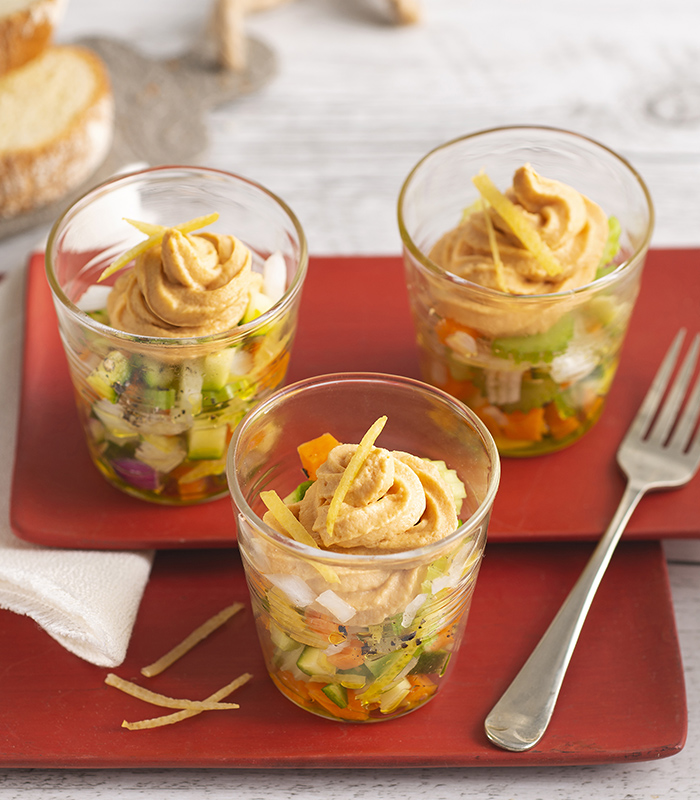
Faq
The Italian Food-Based Dietary Guidelines* recommend eating fish and other seafood 2-3 times a week, varying the type, size and place in which it was caught or farmed. Eating fish is vital for providing our bodies with essential nutrients, including protein, Omega-3 fatty acids, vitamins and minerals. A good alternative to fresh or frozen fish is canned fish, which adults should eat once a week*. Rio Mare Salmon is an excellent source of the Omega-3 fatty acids essential for our bodily health.
Characterised by its pink meat and delicate flavour, Salmon is a fish typically found in northern seas. It is rich in protein and Omega-3 fatty acids, and also provides vitamins and minerals, including vitamin B12, phosphorus and selenium.
Introducing fish into your children’s diet is very important. Our salmon is a tasty, boneless product that children will enjoy and can be used to introduce fish into their diet. It is rich in essential long-chain polyunsaturated fatty acids that form a crucial part of our diet (fish is the main source of these). Salmon also provides protein with high biological value, which children need for normal growth and bone development.
Our Salmon Fillet in Extra Virgin Olive Oil is a source of protein and the fats essential for all-round bodily health.
Below are the nutritional values in 100g of our Salmon Fillet in Extra Virgin Olive Oil.
| ENERGY | 747 KJ/ 179 kcal |
|---|---|
| FAT | 11g |
| (OF WHICH SATURATES) | 2,7g |
| (OF WHICH MONOUNSATURATES) | 4,6g |
| (OF WHICH POLYUNSATURATES) | 3,7g |
| CARBOHYDRATE | 0g |
| (OF WHICH SUGARS) | 0g |
| PROTEIN | 20g |
| SALT | 1g |

